Tractor Hydraulic Hose Crimpers: A Vital Tool for Tractor Maintenance
A tractor's hydraulic system is crucial for its operation. Maintaining this system requires regular upkeep, and a vital part of that is reliably fixing hydraulic hose leaks. A hydraulic hose crimper is the essential tool for this task, ensuring your tractor stays operational and avoids costly downtime. This buyer's guide will help you navigate the options and choose the right crimper for your needs, whether you're a professional mechanic or a homeowner tackling occasional repairs. We'll compare different crimper types, provide step-by-step instructions, and offer troubleshooting tips to help you maintain your equipment efficiently. For more on tractor hydraulics, check out this helpful resource: Tractor Hydraulic Cylinders.
Handheld vs. High-Performance Hydraulic Hose Crimpers: A Detailed Comparison
Choosing between a handheld and a high-performance hydraulic hose crimper is like choosing between a simple screwdriver and a power drill – both work, but one is significantly faster and more efficient for larger jobs.
Handheld crimpers are generally more affordable and portable, making them ideal for occasional use or small repairs. However, they often lack the precision and power of their high-performance counterparts, potentially resulting in inconsistent crimps and leaks. Their manual operation can also be more physically demanding. Do you only need to crimp a hose once or twice a year? A handheld might be sufficient for your needs.
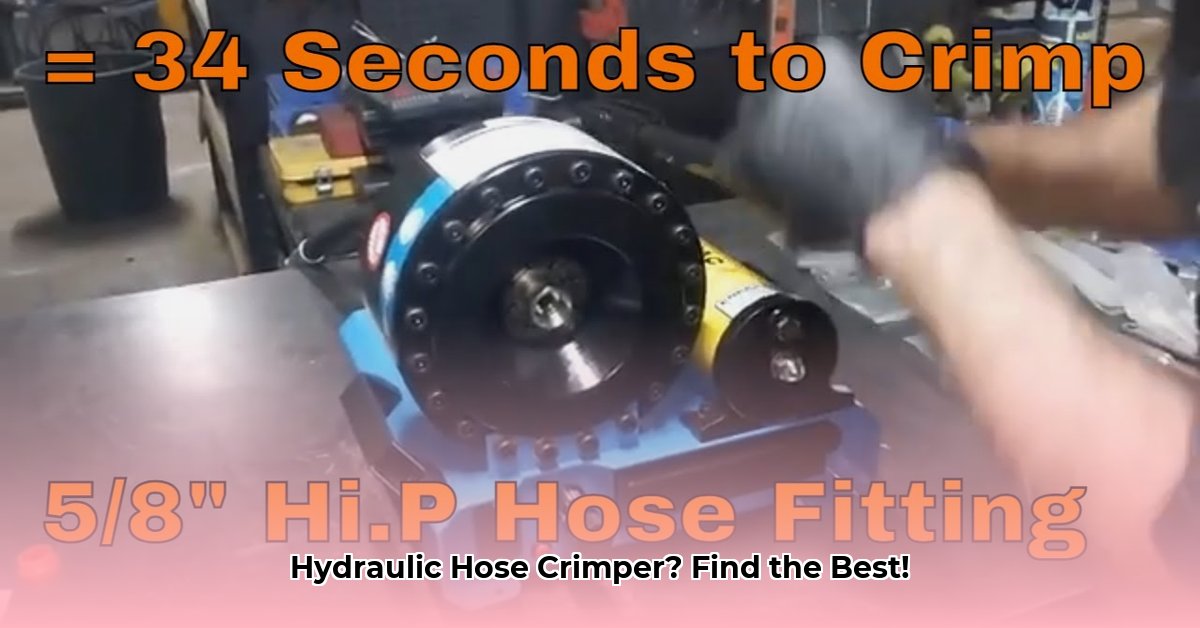
High-performance crimpers, on the other hand, offer superior precision, speed, and durability. These machines are typically electrically or pneumatically powered, providing consistent crimps with minimal effort. Their robust construction and reliable performance make them a worthwhile investment for frequent use or critical applications where leaks are unacceptable. Are you a professional mechanic or frequently work with complex hydraulic systems? A high-performance crimper is highly recommended.
Key Features to Consider When Choosing a Hydraulic Hose Crimper
Before making a purchase, carefully consider these critical features:
- Crimping Capacity: Ensure the crimper's capacity matches the diameter of the hoses you typically work with.
- Pressure Gauge: A reliable pressure gauge is crucial for achieving consistent and leak-free crimps. This is especially important in high-pressure systems.
- Die Sets: The die sets are the replaceable components that shape the crimp. Ensure the crimper comes with the appropriate dies for your hose sizes and that replacements are readily available.
- Durability and Build Quality: Opt for a crimper made from high-quality materials like alloy steel to ensure longevity and reliable performance.
- Safety Features: Prioritize crimpers with ergonomic handles, safety interlocks, and other features designed to enhance safety during operation.
- Compliance with Standards: Check for compliance with safety standards like ISO 6945 and DIN EN 27326 to ensure it meets the required safety and performance levels.
Step-by-Step Crimping Guide: A Simplified Overview
Remember: Always consult your crimper's specific instruction manual for detailed steps and safety precautions!
Preparation: Select the correct die set for your hose size. Prepare the hose end according to manufacturer recommendations (often involving cutting and cleaning the hose).
Secure the Hose: Carefully and firmly place the prepared hose into the crimper, ensuring alignment with the die.
Crimping Action: Activate the crimper and monitor the pressure gauge to maintain the correct pressure.
Inspection: Thoroughly inspect the crimp for proper formation, ensuring no gaps or weaknesses are present.
Troubleshooting Common Crimping Problems
Even experienced mechanics encounter issues. Here are common problems and solutions:
Poor Crimp: Double-check the die selection and crimping pressure. Recrimping or replacing the hose may be necessary.
Leaking Connections: This typically indicates a faulty crimp or hose damage. Inspect carefully and recrimp or replace the hose as needed.
Crimper Malfunction: Refer to the owner's manual or contact the manufacturer for support. Only attempt repairs if you have the necessary expertise.
Maintaining Your Hydraulic Hose Crimper: Extending Its Lifespan
Regular maintenance is essential to prolong the life of your crimper. Clean it after each use, lubricate moving parts as needed (refer to manufacturer's instructions), and inspect for wear and tear. Replace worn parts promptly. Proper maintenance is a small price to pay for avoiding costly replacements down the line.
Choosing Your Champion: A Quick Comparison of Crimper Types
| Feature | Handheld Crimper | High-Performance Crimper |
|---|---|---|
| Cost | Lower | Higher |
| Durability | Less durable | Highly durable |
| Precision | Less precise; potential for leaks | Highly precise; consistent crimps |
| Frequency of Use | Occasional | Frequent |
| Safety Features | Limited | Extensive |
| Recommended for | Occasional use, smaller jobs | Frequent use, larger jobs |
Occasional Use vs. Daily Use: Matching the Crimper to Your Needs
Before selecting a crimper, honestly assess your needs. Will you use it only a few times a year or daily? This directly impacts your decision:
Occasional Use: A budget-friendly handheld crimper might suffice.
Frequent Use: A high-performance crimper will provide efficiency, precision, and better long-term value.
Safety Considerations: Prioritizing Safe Crimping Practices
Regardless of the crimper type, prioritize safety. Always follow these guidelines:
- Inspect the hose for damage before crimping.
- Use the correct die for the hose size and type.
- Ensure proper alignment of the hose and fitting.
- Follow the manufacturer's instructions precisely.
- Inspect the crimp after completion.
- Wear appropriate safety glasses and gloves.
Conclusion: Investing in Your Tractor's Health
Choosing the right hydraulic hose crimper is an investment in your tractor's reliability and longevity. By considering your needs, budget, and the key features discussed, you can select a crimper that will serve you well for years to come. Remember that proper maintenance and safe operating practices are crucial to maximizing your crimper's lifespan and keeping your tractor performing its best.